
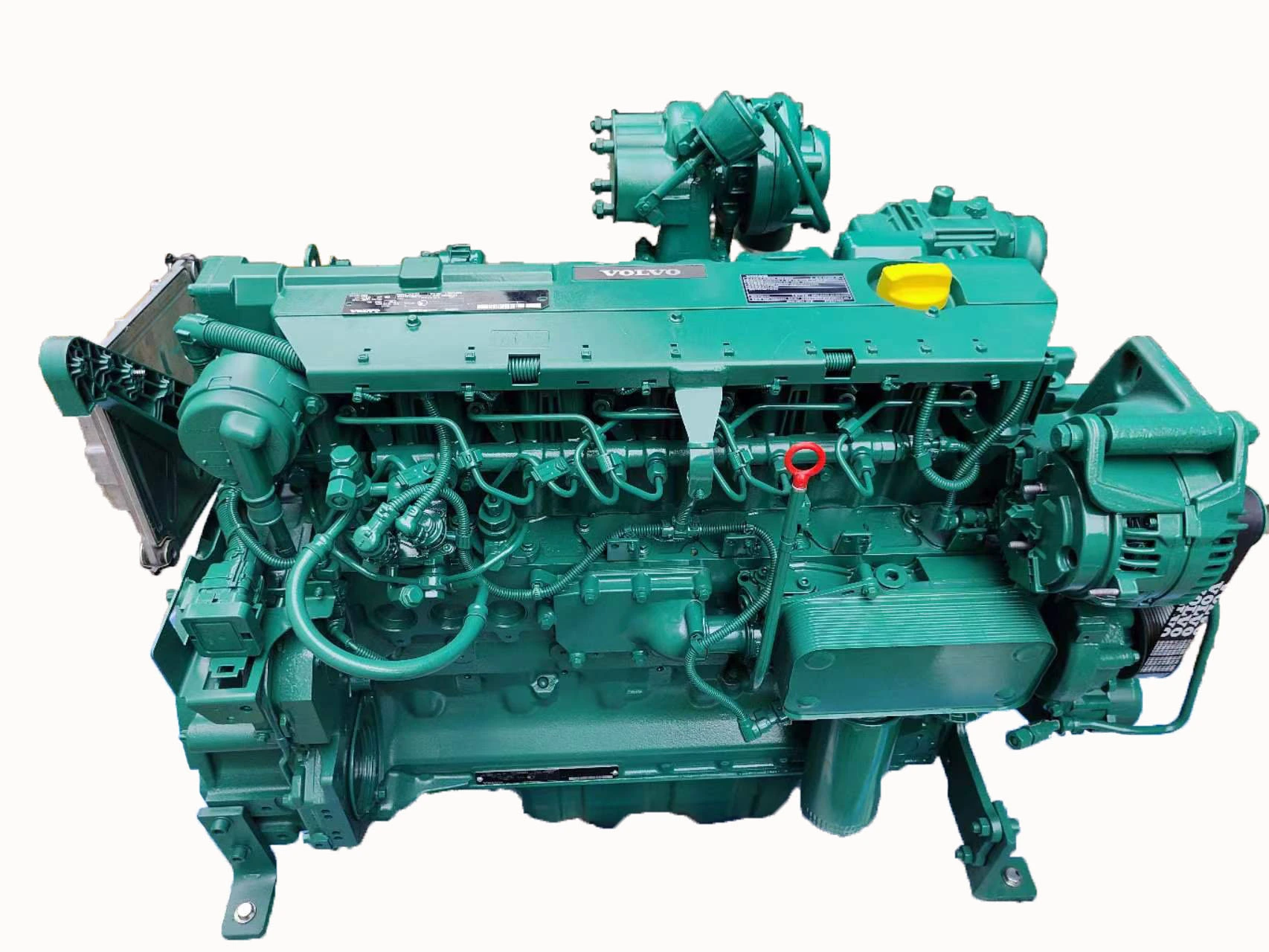
Engine Assembly
4 cylinder diesel engine assembly for commercial vehicles. High-performance turbo diesel engine meeting National VI standards from reliable truck engine OEMs.
View productChoosing the right engine assembly starts with the duty the vehicle actually performs, not the part number that happens to sit on the shelf. This page places the JX4D24 4 cylinder diesel engine next to the other assemblies in the catalog so fleet managers, distributors and repair shops can compare displacement, emission standard, power band and application before a single quote is requested.
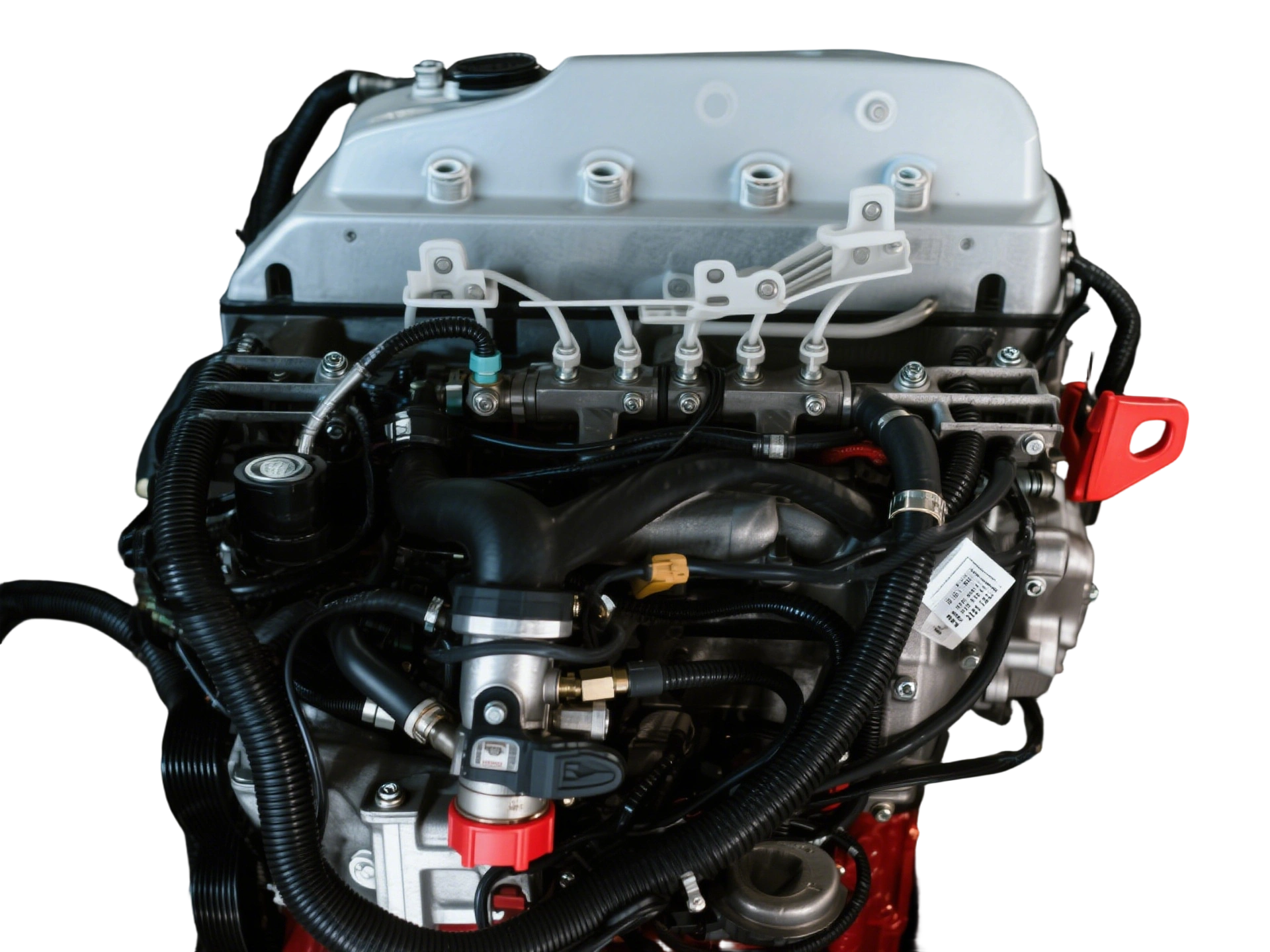
Three buyers arrive at this page for three different reasons. Each route below pairs a concrete product fact with the decision you need to settle first.
The JX4D24 series is widely equipped in light trucks, pickup trucks and light buses, with a small number of SUV applications under Jiangling Motors.
Decide first: the vehicle class and payload band, because that sets the mounting and cooling envelope before power rating.
Compliance is built into the hardware: National VI b with an integrated DOC + DPF + SCR after-treatment package on the JX4D24.
Decide first: whether the depot can support the after-treatment routine, because the emission package is not removable.
The JX4D24 is a high-performance, low-emission diesel series independently developed by Jiangling Group and supplied for integration, distribution and repair-shop replacement work.
Decide first: the tuned power rating and the common-rail supplier, because both are fixed at order.

Product No. 0101001 · P/N JX4D24 · in-line four-cylinder, water-cooled, turbocharged diesel
| Engine type | In-line 4-cylinder, water-cooled, turbocharged diesel; intercooled in some variants |
|---|---|
| Displacement | Approximately 2.4 L — exact displacement may vary slightly by sub-model |
| Emission standard | National VI b |
| Maximum power | 90 kW – 110 kW (approximately 120 – 150 hp), depending on tuned version |
| Maximum torque | Typically 360 N·m – 420 N·m |
| Fuel system | Bosch or Delphi high-pressure common rail |
| After-treatment | DOC + DPF + SCR, with EGR in the technical route |
| Typical applications | Light trucks, pickup trucks, light buses, some SUV models |
Work through these in order. The first two remove most wrong options before price is ever discussed.
Count hours per day and separate stop-start delivery work from sustained haul. The JX4D24 design prioritises low-speed torque output, which suits frequent-launch routes.
Light truck, pickup, light bus or SUV — the chassis class fixes the mounting points, radiator space and intercooler layout you have to work with.
Where the vehicle is registered decides whether National VI b is a requirement or a head start. On the JX4D24 it arrives as a DOC + DPF + SCR package.
Flywheel housing, clutch fixing and gearbox pattern have to line up. Send the gearbox model with the engine request so fitment is confirmed in writing.
Each row converts a real operating condition into the one specification question worth asking before you commit to an order.
Low-speed torque behaviour and the cooling package, since the engine spends its life accelerating rather than cruising.
Daily distance, route type and loaded weight, so the torque band can be matched to the work.
Which tuned version you need inside the 90 – 110 kW and 360 – 420 N·m range.
Payload, terrain profile and average speed, so the rating matches the route instead of exceeding it.
National VI b compliance together with the DOC + DPF + SCR hardware and the urea supply it depends on.
The registration city or zone, so the emission configuration is confirmed against local requirements.
P/N JX4D24 against the failed unit, plus the bellhousing and gearbox pattern.
Photos of the engine plate, the gearbox model and the vehicle VIN or model year.
Three systems decide how the assembly behaves once it is installed, and each one changes what the workshop has to plan for.
Bosch or Delphi common-rail injection delivers the fuel, which means diagnostics, calibration and replacement parts follow the supplier fitted to that sub-model. Confirm which one before ordering spares.
Turbocharged, water-cooled operation — intercooled in some variants — combined with EGR in the technical route. The coolant loop and charge-air circuit become routine service items, not fit-and-forget parts.
The integrated after-treatment package is what delivers National VI b. Plan for the filter and reductant routine in the depot schedule, and brief drivers on how the system behaves.
There is no cart or published price on the assembly pages — supply is quoted per configuration, quantity and destination. The fastest route to a usable number is a complete first message.
Keep adjacent product options together for a faster catalog comparison.
4 cylinder diesel engine assembly for commercial vehicles. High-performance turbo diesel engine meeting National VI standards from reliable truck engine OEMs.
View product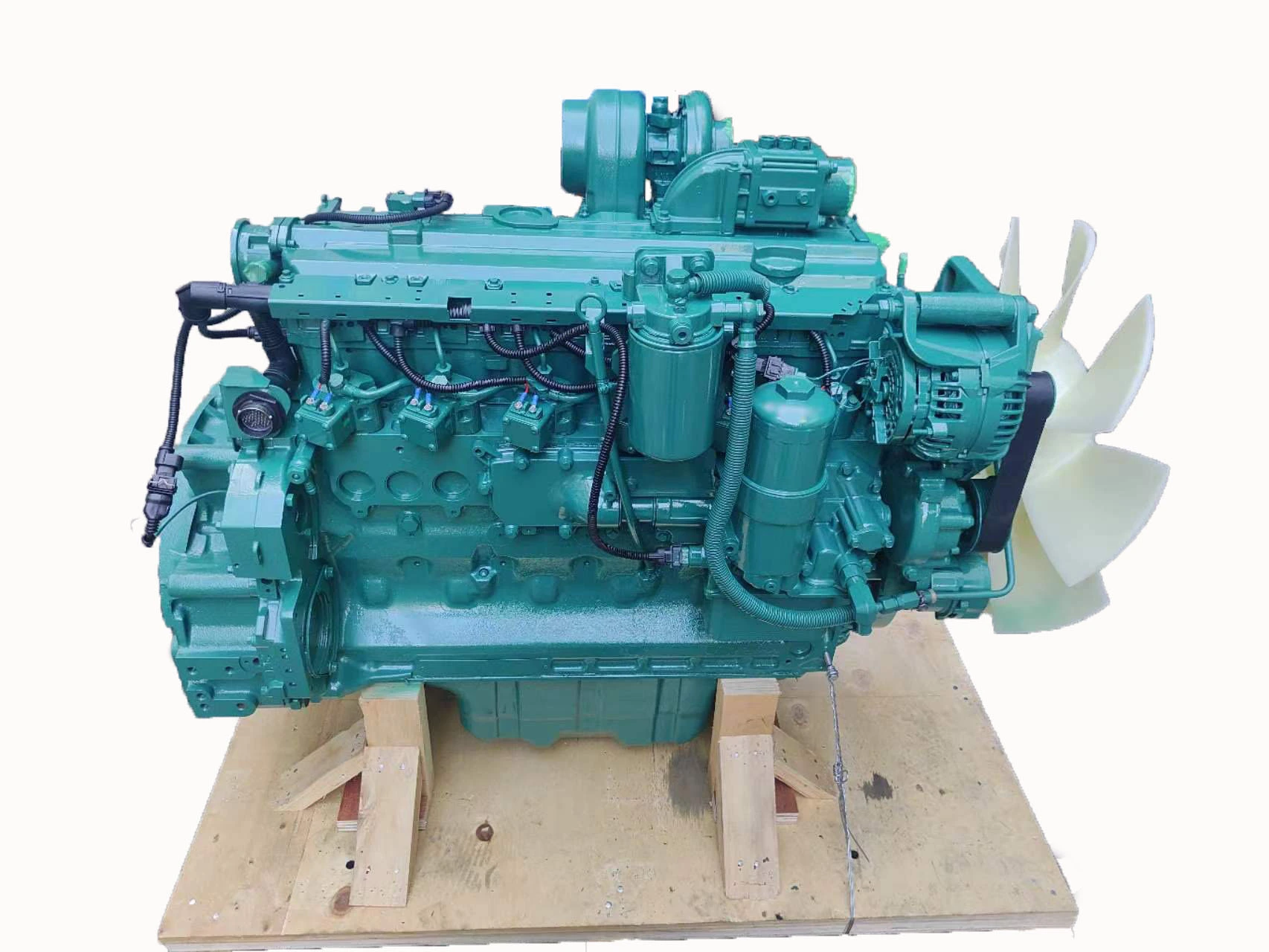
Ensure long-lasting durability with the JX4D24 4 cylinder diesel engine. This National VI compliant turbo diesel engine supports robust OEM and ODM supply.
View product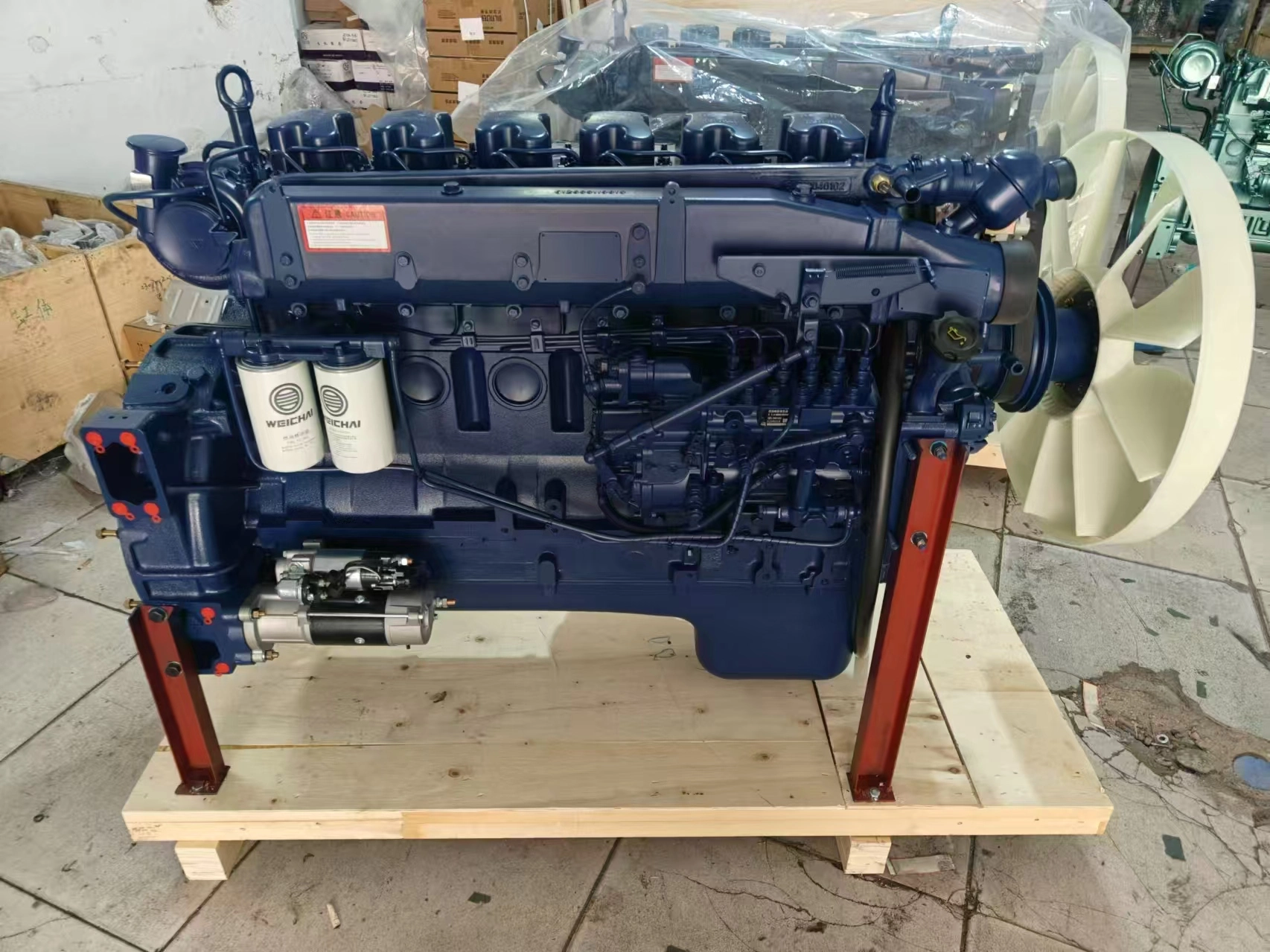
Source the WP12-2 turbo diesel engine for your fleet. This 4-cylinder engine assembly meets National VI standards, offering high-efficiency power for OEMs.
View productA 2.4 L in-line four-cylinder, water-cooled, turbocharged diesel, intercooled on some variants.
National VI b.
90 kW to 110 kW (about 120 to 150 hp) and typically 360 N·m to 420 N·m, depending on the tuned version.
A Bosch or Delphi high-pressure common rail system.
DOC plus DPF plus SCR, with EGR in the technical route.
Light trucks, pickups, light buses and some SUV models.
